When a reference to “The Simpsons” and a creepy photograph of an empty office inspire two movies that together gross nearly half a billion dollars, Hollywood takes notice. That’s exactly what happened with “Obsession” (2025) and “Backrooms” (2026), a pair of micro-budget horror films that many movie experts believe have ushered in a new era for the industry.
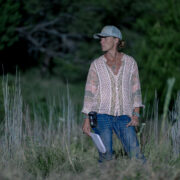
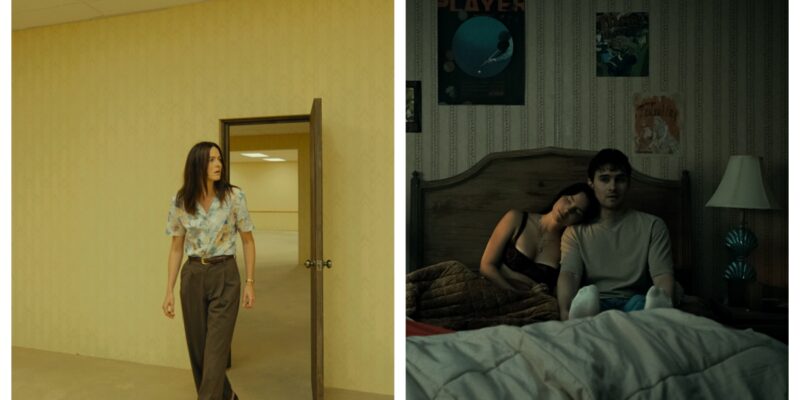
“Obsession” is a supernatural horror film about a shy man who uses a wish to make his childhood friend fall in love with him, only for her to become possessive and violent. It has grossed over $286 million worldwide from a $750,000 budget. “Backrooms” follows a furniture store owner who becomes trapped in a maze of rooms, from which his therapist tries to save him. The film, made for $10 million, has so far grossed over $220 million. Not only are these films’ directors—Curry Barker and Kane Parsons—very young to achieve such success, but both got their starts on YouTube.
After making videos with friends in high school, Barker collaborated with fellow New York Film Academy student Cooper Tomlinson on various comedy sketches and short films. He then garnered Hollywood’s attention after his horror short “The Chair” and found-footage feature “Milk & Serial” went viral. That helped Barker secure funding for “Obsession,” which he shot over 20 days in October 2024, just after he turned 25.
Parsons launched his own YouTube channel when he was 9 years old. As a teenager, he used free animation and visual effects software and a cheap camera to make found-footage horror shorts. When his “Backrooms” web series gained huge popularity, A24 approached him about making it into a feature film, which he started shooting just after his 20th birthday.
The age of the filmmakers may be unprecedented, but there’s still plenty that filmmakers of any generation can learn from Barker’s and Parsons’ approaches. Here are some of the lessons that filmmakers can take from the success of “Obsession” and “Backrooms.”
Twist the genre.
Barker has admitted that he got the idea for “Obsession” from the segment of “The Simpsons” (1989–present) episode “Treehouse of Horror II” in which Homer buys a monkey paw that grants him wishes. Barker told Den of Geek that he was surprised how little had been done with the premise in the horror genre.
As a huge fan of horror films, Barker was well aware of the formulas the genre typically follows. He told Final Draft that rather than adhering to them, filmmakers need to “know the tropes and then break them,” before adding that they should never do the thing that audiences are expecting.
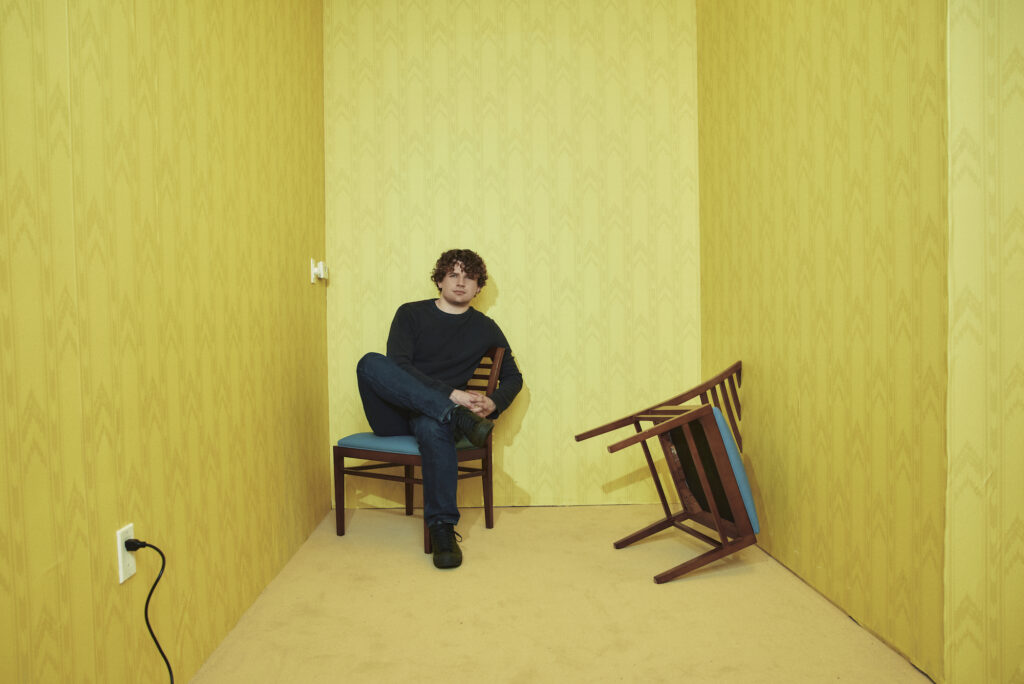
Parsons told Deadline he was attracted to making “Backrooms” as a feature because he saw it as a visual metaphor for his generation’s collective anxiety over the future. “It is [the] epitome of an anti-space, a very impersonal mass-produced, not quite sterile, not, like, abandoned—but it’s definitely neglected. It’s a place you would have a hard time imagining anyone being sentimental about, so in a way it feels like the place itself is sort of lonely and just kind of an abused component of a massive, sprawling system that is kind of a runaway train.”
Jason Mittell, professor of film and media culture at Middlebury College, says that filmmakers looking to follow Barker’s and Parsons’ paths are more likely to find success making low-budget horror. “You can come up with something that audiences feel like they haven’t seen before,” he says.
Use what you have.
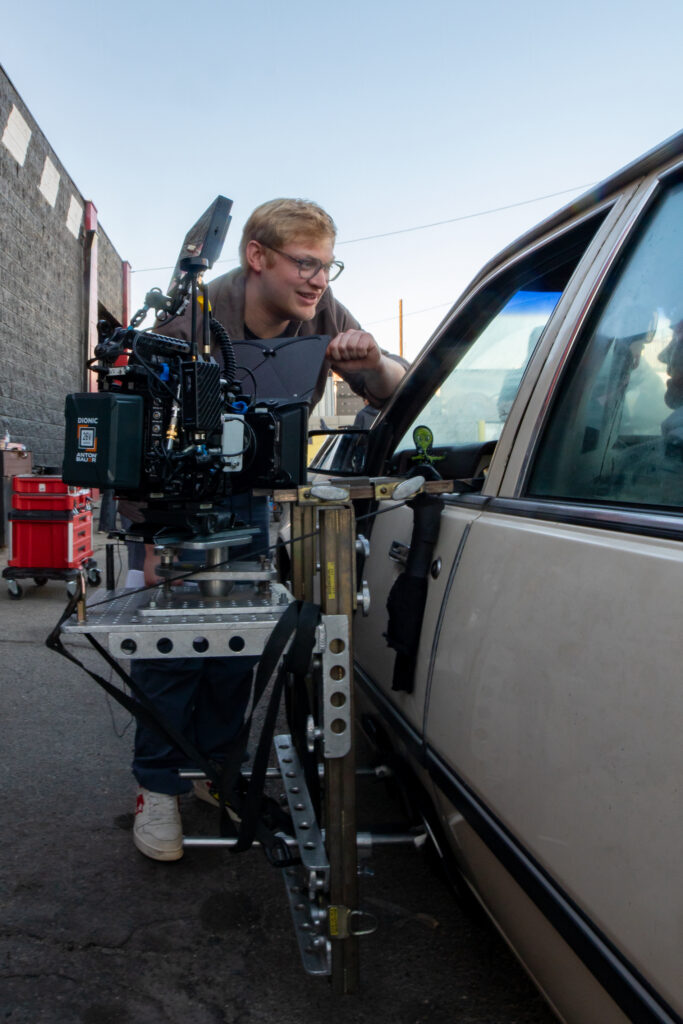
Barker made “Milk & Serial,” about two pranksters looking to outdo each other, for just $800 over four months. He told Variety that he wrote the initial serial killer sequence because he thought he “could pull off this creepy serial killer vibe.” He decided on a found-footage approach because it was cheaper, bought an old Sony camcorder to match the aesthetic, and then asked his friends to play other roles for free.
After trying and failing to get a distribution deal for “Milk & Serial,” he put it on YouTube, where it has since been watched 3.2 million times. It’s also the film that landed Barker UTA agents and paved the way for funding “Obsession.”
“We’re finally getting to the point where people are like, ‘Fine, I’ll put my film on YouTube,’ versus when I was in film school that was kind of a last resort,” Barker told NBC News. “I was like, ‘Screw it, throw it on YouTube and see what happens’.”
Barker also insists that up-and-coming directors need to keep working on their craft, which means directing as many films—no matter the budget or length—as possible. By making a variety of projects, they won’t just “put pressure on one idea” to succeed. “I see a lot of student filmmakers paralyzing themselves because they put so much pressure on this idea or they write it where a car explodes and there’s no way they can afford it,” he told NBC News. “They’re putting obstacles in their own way to make sure that they never make these films. Just make something you can make now and make a bunch of them. Don’t worry too much about it being good or being bad. Just keep making films.”
Teach yourself new tricks.
While Barker turned to his friends to help make his comedy and horror shorts, Parsons used YouTube tutorials to teach himself how to use visual effects while he was still in middle school.
Parsons told Deadline that he “believes artists need little more than a ‘brain’ to find a way to make something and wants to see more of this innovative spirit in action.” Even today, his setup consists of just “one laptop, a standing desk, and some cloud-based services and the software,” Blender, that he uses for CGI.
For Parsons, if there’s anything to be taken away from the success of “Obsession” and “Backrooms,” it’s that burgeoning filmmakers should “get comfortable with some of these tools like Blender.” He added, “I think definitely, the means to technically scale it are fairly accessible and achievable right now, so I would just encourage optimism around that. And it’s a great community. It’s a lot of fun.”
Film festivals are still important.
It wasn’t just YouTube that was key to Barker getting Hollywood meetings and the money to make “Obsession.”
“The Chair” was selected for the Big Apple Film Festival, the Burbank International Film Festival, and the Los Angeles Short Film Festival, where it drew acclaim, won prizes, and established Barker as an exciting, young cinematic voice. That set him up for an “Obsession” festival run, which generated critical acclaim and buzz in the months ahead of its May 2026 release. After premiering in the Toronto International Film Festival’s Midnight Madness section in September 2025, the film was purchased by Focus Features for around $15 million. At the festival, horror producer Jason Blum and other producers also bought Barker’s next script, “Anything But Ghosts,” all while the film was met with strong reviews.
Excitement for “Obsession” then increased even further in March 2026, when it played at SXSW. That screening created even more word-of-mouth buzz ahead of the film’s release just over two months later.
“It’s not just about organically creating great and authentic movies,” says Paul Dergarabedian, head of marketplace trends at Rentrak. “You have to have partners behind the scenes on set, the talent above and below the line, and great partners in distribution that understand the business model, like Focus Features and A24”—and that’s precisely what film festivals were built to do.