Filmmakers can feel helpless when figuring out where to submit their film. Of course, they want their stories to be seen and appreciated, but they also want to ensure that they’re targeting the right festivals, the ones where they have a good chance of being accepted and reaching the right audience.
So what are festivals actually looking for in a film submission? How do programmers decide which films make the cut? And what can filmmakers do to boost their odds? We’ve got some answers.
How do festivals judge submissions?
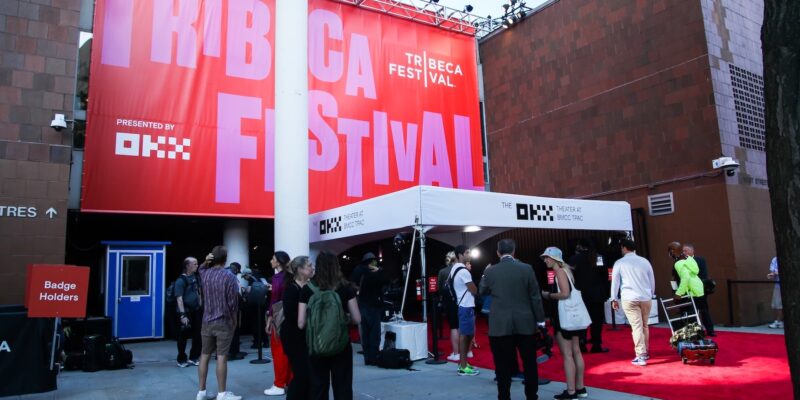
When Ben Thompson, vice president of shorts programming at the Tribeca Film Festival, watches a film for consideration, he says he first looks for how well it “engages the audience with its character.” That’s especially important in shorts, because filmmakers have such a “limited amount of time with the audience. You want to connect them to your protagonist really quickly.”
Thompson shares that Tribeca programmers rate a short film on a numerical scale, scoring its direction, originality, structure, story, execution, and quality individually before tallying up its score. For feature-length projects, programmers often specialize by genre, keeping an eye on filmmakers they already know while also watching new submissions.
“It really comes down to whether we have a sense of what the film is trying to do. Programming is a job where people will watch something they love and then immediately look to share it,” explains Thompson. “But if the story doesn’t work, [or] it feels derivative, like something we’ve seen hundreds of times before, that won’t fit the festival.”
At South by Southwest, senior film and TV festival programmer Peter Hall prefers to watch a film with as little information as possible. He says, “Programmers will watch movies and leave feedback. Over months, we assemble a large pile of maybes. Then, towards the end, we whittle it down, start ranking films and weighing them against each other.”
Hall says SXSW is especially interested in films with a “sense of discovery”—which could mean a “first-time filmmaker, or a filmmaker that’s made a bunch of films but is working in a genre they haven’t explored before.” He adds, “A film needs to catch us off-guard for one reason or another. But there’s no checklist or silver bullet for what that reason is.”
How to make sure your film is ready
Short films need to be as concise as possible, insists Thompson. A leaner runtime means a higher chance of the project being accepted, because programmers are often balancing tight schedules and limited slots. “Minutes can be crucial when we’re organizing the short film schedule,” he says. “Sometimes we’ll pick a film that’s 12 or 16 minutes long over a 19-minute-long short because of time.”
While it’s tempting for filmmakers to submit their work to the “big five” film festivals (Sundance, Cannes, Berlin, Venice, and Toronto), Thompson emphasizes that filmmakers need to recognize if their film is a “suitable” match for those festivals. “The best thing they can do is research,” he says.
Hall agrees, suggesting filmmakers “look up the last several years of programming at each festival” and see if they can find a “handful of films that compare.” If so, he says, “You’re probably on the right track.”
Thompson reminds filmmakers not to overlook the smaller festivals, too. He points to the Seattle International Film Festival’s 50-year longevity and its thoughtful programming, engaged audiences, and great atmosphere for visiting filmmakers. Likewise, the Cleveland International Film Festival consistently has an incredible lineup. “People on the street might not have heard of these film festivals, but people in the industry know about their reputations,” says Thompson.
When it comes to timing, Thompson believes it doesn’t hurt to enter your film as early as possible—obviously, after double-, triple-, and quadruple-checking that it’s ready. “With features, don’t mess around. We’ve had films that have been submitted right at the start of our submission window that everyone agrees are amazing and we can’t wait to invite them,” he shares.
It’s also important to save your premiere status for the most prominent festivals. If programmers are deciding between screening two films and one has already made its debut at another event, then “the world premiere is going to have an advantage,” admits Hall.
The other essentials
While programmers ultimately judge a film on its quality, there are small but beneficial steps that filmmakers can take to leave a good impression. “A working [screener] link is a good start,” says Thompson. “It’s kind of amazing how many filmmakers submit to the festival and don’t have that, or the password is incorrect.”
Festivals will consider incomplete films, but the submitted version needs to reflect what the finished product will be. “It’s a rookie mistake to ask a film festival to watch a film several times,” Hall explains. “The biggest mistake is to send in a rough cut, just so it’s submitted before the deadline, then two months later ask a programmer to watch a new cut.”
Filmmakers should also be mindful of how often they reach out to programmers for updates. “I understand that people are very enthusiastic, and it’s hard when [you] don’t have any control in the process,” says Thompson. “But you need to know where the boundaries lie and be respectful.”
Strong written materials can also make a difference. Hall always tells filmmakers to make sure they have a compelling synopsis and logline, as the projects that do usually go straight to the top of his watch list. He also recommends having a photographer on set to capture behind-the-scenes images and stills, as these prove crucial for promotional materials.
And finally, don’t underestimate the importance of showing up. Filmmakers should attend as many festivals as possible—not only because they can see how audiences react to their films, but they also get to meet like-minded individuals and potential collaborators. “Audiences seeing their film is why filmmakers make their films in the first place,” says Thompson. “If you’re not there to see that, you’re missing out on one of the best parts of the festival experience.”