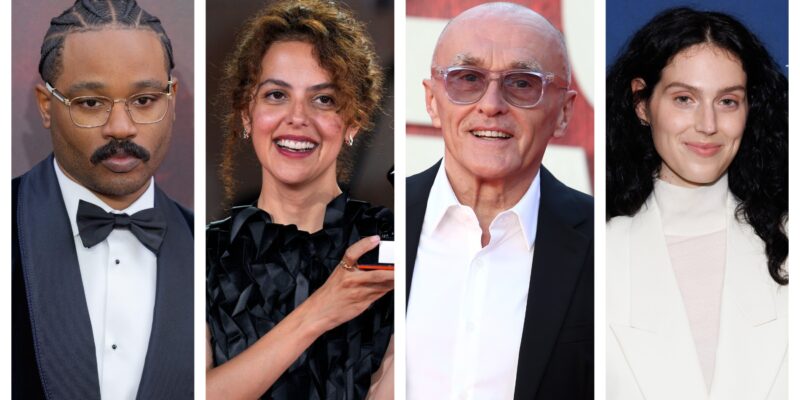
The timing of the annual Oscars race ensures that most calendar years are back-loaded with prestige films. But the first six months of 2025 have yielded incredible movies, too. With thrilling genre hybrids and unassuming indie dramas, both new and longtime directors have shown remarkable flair. These nine filmmakers put out a total of 10 great theatrical releases from January through June, and their command of image, sound, and theme made for some of the year’s most captivating works.
Danny Boyle, “28 Years Later”
Set decades after their lo-fi zombie landmark “28 Days Later” and its sequel “28 Weeks Later,” director Boyle and writer Alex Garland shift their focus to an isolated Great Britain drawn from the post–COVID-19, post-Brexit age. They use their “Rage virus”–infected zombies to not just induce fear, but to confront mortality with the surprisingly touching tale of a boy forced out of his isolated village in search of a doctor to heal his ailing mother. The original film was shot on digital videotape; Boyle’s latest employs complicated iPhone rigs that create the kind of eye-popping imagery rarely seen in studio action-horror.

Ryan Coogler, “Sinners”
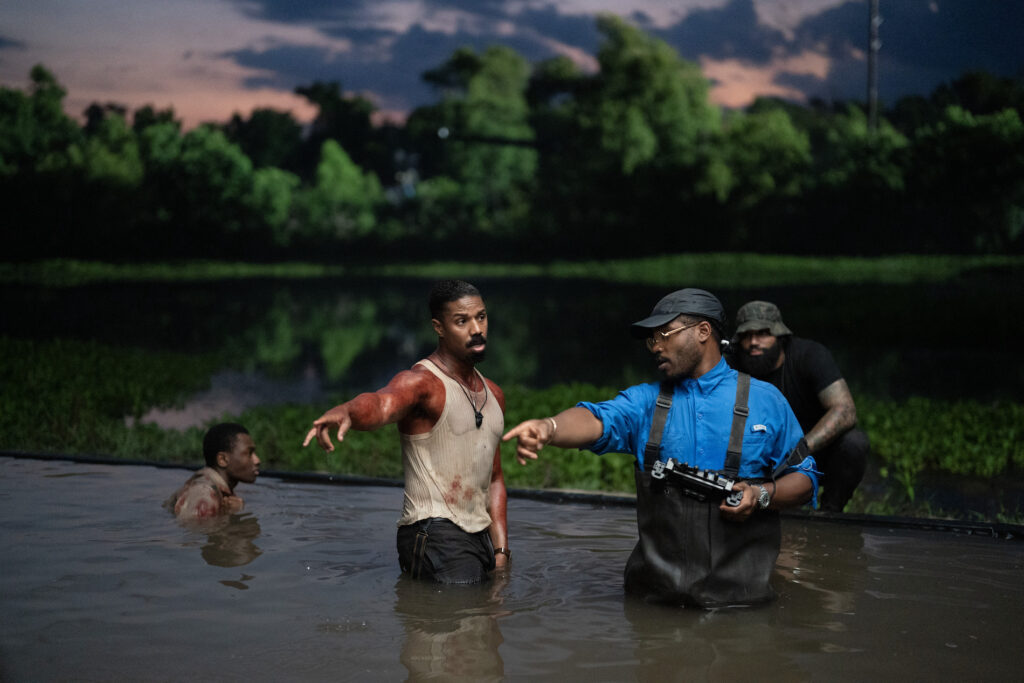
Writer-director Coogler, the firm hand behind genre franchises like “Black Panther” and “Creed,” turns his attention to an original story for the first time since 2013’s “Fruitvale Station” with the pulsing vampire-Western-musical “Sinners.” In 1930s Mississippi, twin mobsters Smoke and Stack (Michael B. Jordan) and their musically gifted cousin Sammie Moore (Miles Caton) face off against an onslaught of undead who attack a venue established for communal revelry in the segregated South. While its climactic action is scattered, the movie’s beating heart is a jaw-dropping, one-take musical centerpiece that conjures spirits from both past and future, creating a soulful continuum of Black art and celebration through the ages.
Alex Garland and Ray Mendoza, “Warfare”
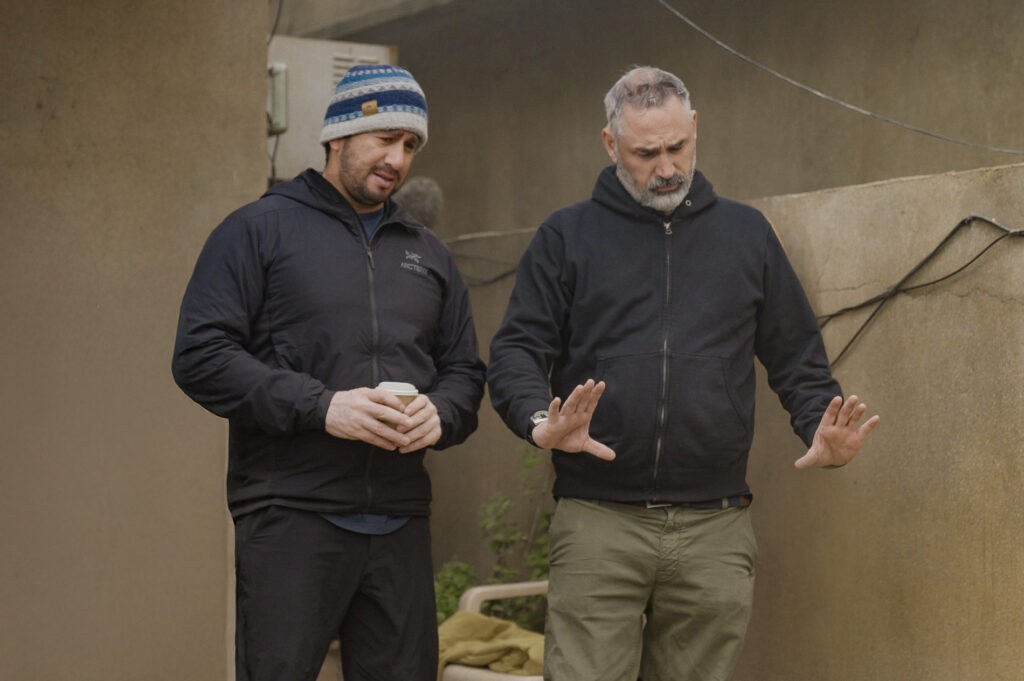
Told in real time, Garland and Mendoza’s “Warfare” captures the chaos and violence of the Iraq War in vivid detail. Based on Mendoza’s own memories (and those of his unit-mates), the film depicts a U.S. ground platoon under siege in an Iraqi home they’ve violently occupied. The directors take a sometimes jingoistic genre and apply a strikingly honest lens and a tone that verges on remorseful, resulting in a rare intimate war film. With roaring, piercing sound design, it’s one of the year’s most thrilling cinematic experiences—and one of the most disturbing.
Dag Johan Haugerud, “Love” and “Sex”
With “Dreams (Sex Love),” the third part of his informal Oslo trilogy, slated for September, Norwegian filmmaker Haugerud is poised for a banner year. His movies “Love” and “Sex” capture the complexities of intimacy in middle age, and can be watched in any order. “Love” follows a straight female doctor searching for romance and a gay male nurse cruising for one-night stands; their discussions aboard a ferry make them reconsider (and try out) each other’s approaches. “Sex,” meanwhile, centers on the marriages of two gruff chimney sweeps. One of them is thrown into a crisis of gender identity when he dreams that David Bowie views him as a woman. His more stoic coworker has just slept with a man for the first time, but tries to convince his wife this doesn’t make him gay—or a cheater. Both movies are dialogue-driven, capturing uncertainty with gentleness and acerbic wit. The resulting films are two of the year’s most holistic comedy-dramas.
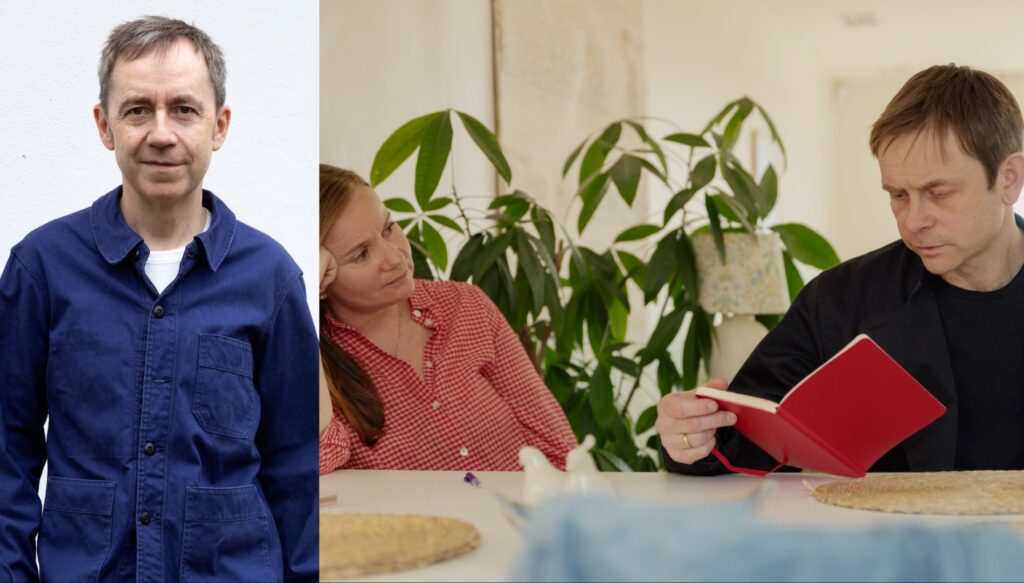
Jia Zhang-ke, “Caught by the Tides”
An odyssey of outtakes, Chinese fifth generation filmmaker Jia has made his most ambitious project yet. “Caught by the Tides,” co-written by Jiahuan Wan, is woven from recent original footage as well as scenes shot as far back as 2001 during the production of several of Jia’s other films. Long-time collaborator Zhao Tao stars as a woman traversing China in search of her absconding lover in this thought-provoking chronicle of a gradually evolving social and technological landscape.

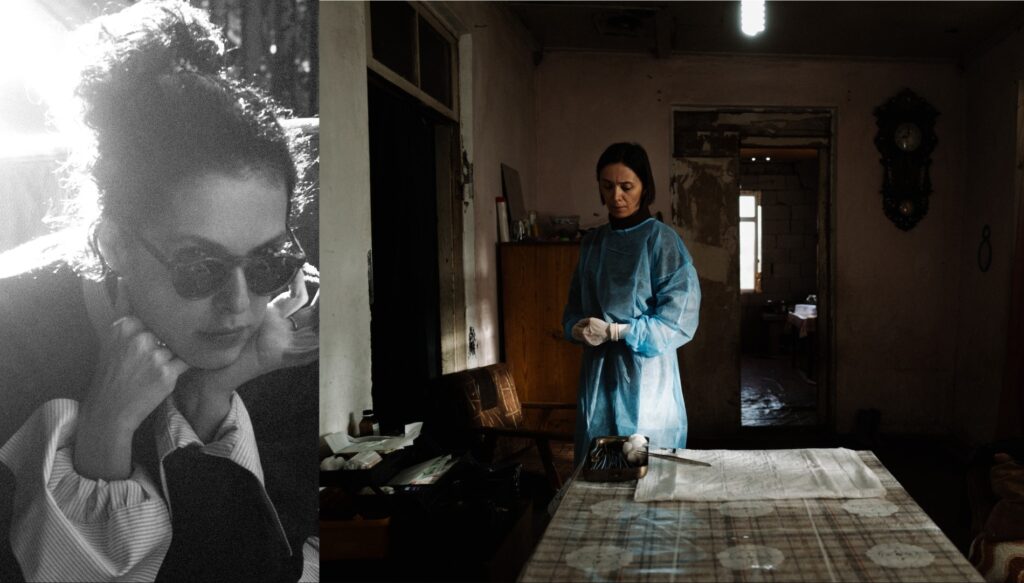
Dea Kulumbegashvili, “April”
A fiercely feminist film that wraps bodily anxieties and fears of mortality into a political tome, Kulumbegashvili’s sophomore feature “April” is a visceral pregnancy drama. So provocative that it hasn’t been shown in its native Georgia, the movie follows obstetrician Nina (a soul-stirring Ia Sukhitashvili), who performs abortions for rural women at great personal and professional risk. With eerie, abstract interludes involving sounds of children playing, and a disturbing humanoid figure that resembles a living fetus, “April” melds together the many layers of women’s experiences under patriarchal norms—pregnancy, secrecy, and even death—resulting in a brave drama that lives between the real and the imagined.
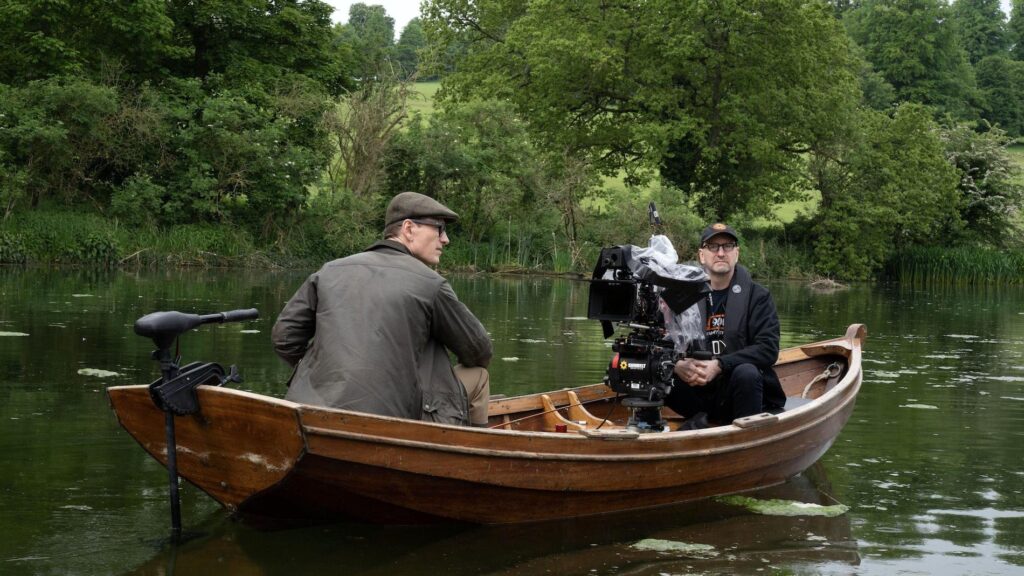
Steven Soderbergh, “Presence” and “Black Bag”
Few directors this year have had more fun than Soderbergh, the do-it-yourself maestro behind “Ocean’s Eleven” and “Magic Mike.” “Presence” follows a family moving into a haunted house, but turns the horror subgenre on its head by operating from the POV of its supernatural presence, observing the newcomers while they try to uncover what (or who) this ghostly figure could be. It veers between spine-chilling and darkly amusing, a mischievous stylistic fusion akin to Soderbergh’s other 2025 film (both written by David Koepp), the slick, clockwork “Black Bag.” A hybrid domestic drama and espionage thriller, the ensemble spy movie is led by Michael Fassbender and Cate Blanchett as a distrusting married couple working for MI6. It’s a raucous action caper that layers state secrets atop marital woes as its leads suss out who among their friend group is involved in a nefarious plot.
Eva Victor, “Sorry, Baby”
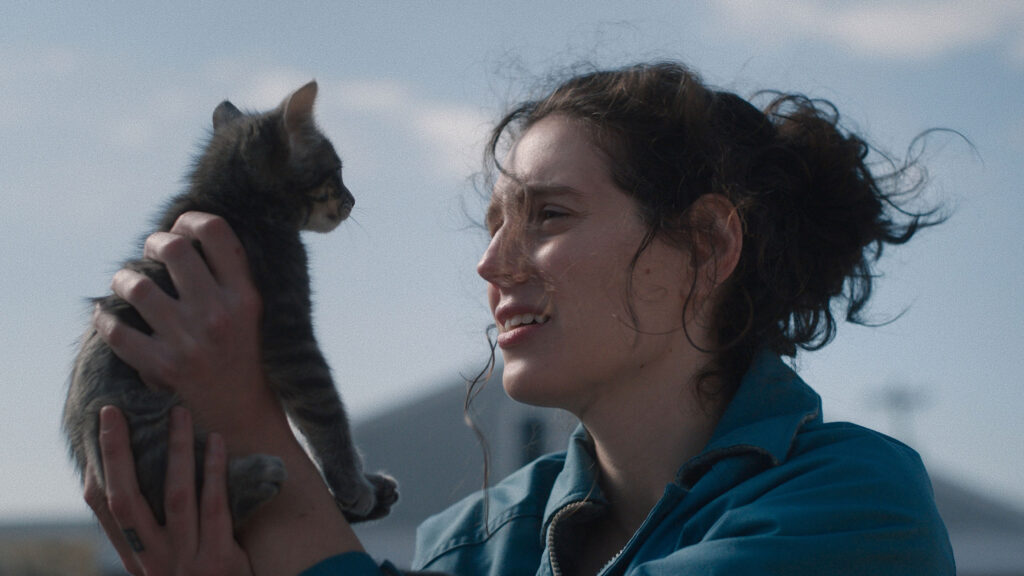
The year’s most accomplished debut, Victor’s Sundance dramedy “Sorry, Baby,” is a sardonic retrospective on living in the aftermath of sexual assault. Victor cast themselves as a young college professor whose story unfolds in lengthy flashbacks. A vignette structure affords the first-time feature filmmaker the chance to explore not only their character’s trauma—and the awkward ways it manifests—but the indignities of navigating a world not built for survivors.