The latest edition of the Sundance Film Festival marked the end of an era. It was the first without late founder Robert Redford and the last to be held in Park City, Utah, the city the event has called home since 1978. Its impending move to Boulder, Colorado, brings with it a necessary reflection on the festival as an institution, one where independent cinema—especially documentary cinema—has flourished for decades.
The fest has long been a platform for landmark nonfiction, as evidenced by just how many great Academy Award winners have held their premieres in Park City. Favorites like Mark Jonathan Harris’ “The Long Way Home” (1997), Davis Guggenheim’s “An Inconvenient Truth” (2006), Malik Bendjelloul’s “Searching for Sugar Man” (2012), and Daniel Roher’s “Navalny” (2022) are among those that call Sundance home. In fact, nine of the last 10 Oscar nominees for best documentary feature film have been Sundance premieres—including all five current hopefuls—raising the question of what might be this year’s major breakout.
As expected, the 2026 edition of Sundance featured an embarrassment of riches across its documentary sections. We’ve highlighted seven to look out for during the rest of the year.
1. “Aanikoobijigan [ancestor/great-grandparent/great-grandchild,” dir. Adam Khalil and Zack Khalil
Using cinema as a gateway to the afterlife, Ojibway filmmaker brothers Adam and Zack Khalil explore the fraught cultural battle of the Anishinaabe people to repatriate ancestral remains from colonial museums. An anthropological documentary that rethinks our notions of anthropology itself, its experimental bent—focused on spaces and ethereal connections between past and present—forces a vital reframing of how we see ourselves in relation to other people across time.
![A still from Aanikoobijigan [ancestor/great-grandparent/great-grandchild] by Adam Khalil and Zack Khalil, an official selection of the 2026 Sundance Film Festival. Courtesy of Sundance Institute | photo by Shaandiin Tome.](https://filmfreeway.com/articles/wp-content/uploads/sites/9/2026/02/Aanikoobijigan_ancestor_great_grandparent_great_grandchild-Still_1-1024x576.jpg)
2. “American Doctor,” dir. Poh Si Teng
In Teng’s wartime chronicle, three American trauma surgeons of different faiths, cultures, and dispositions—an irate Palestinian Muslim, an exhausted Pakistani Zoroastrian, and an overwhelmed Jewish North Carolinian—become our tour guides to Gaza under siege. Through shocking footage of violence wrought upon young children, and the equally confounding media interviews the doctors are forced to endure, the film paints an enraging cross-cut portrait of government-sanctioned horrors that have become all too permissible.
.
.
3. “Birds of War,” dir. Janay Boulos and Abd Alkader Habak
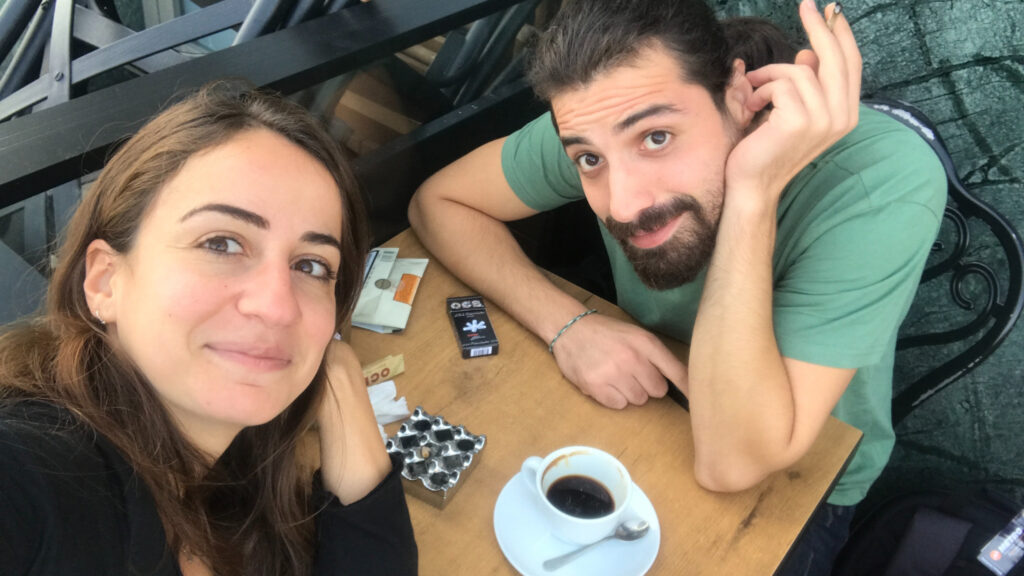
In an act of autofiction that feels dangerous to watch, Lebanese journalist Boulos and Syrian cinematographer Habak turn the lens on themselves in a political document that parallels their long-distance romance—a relationship forged while collaborating on dangerous news pieces for the BBC. Text messages lead to video chats, while revolutions lead to war and exile, all seen through a 13-year archive of the couple’s personal history that captures the exhausting tumult of Syria’s civil war.
4. “Closure,” dir. Michał Marczak
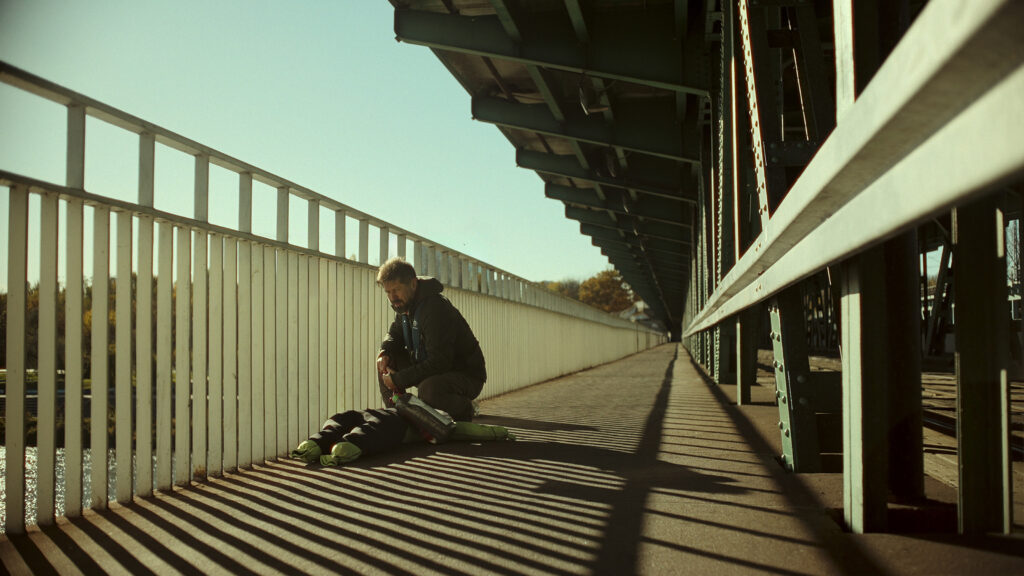
A Polish father, Daniel, searches for his missing teenage son, Krzysztof, who may have drowned in a nearby river in this haunting documentary. The quest for catharsis involves grim reenactments with GoPro cameras attached to dummies, which are routinely tossed downstream to see where they end up. Marczak turns this quest into a macabre Sisyphean task anchored by a heavy, haunting musical score—and by the looming possibility that answers may never materialize.
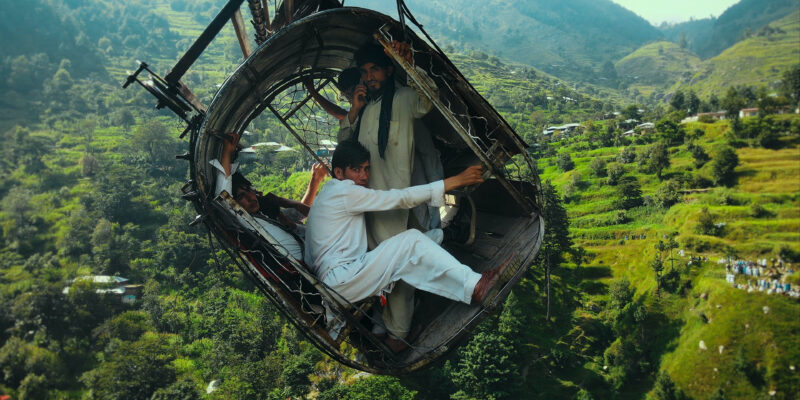
5. “Hanging by a Wire,” dir. Mohammed Ali Naqvi
In 2023, the Himalayan foothills in Pakistan played host to a terrifying spectacle: On a routine commute to school, a group of passengers—including six schoolboys—was left dangling over a gorge when two of the three wires holding their cable car snapped, suspending them between life and death. In Naqvi’s filmic retelling, the hourslong rescue ordeal is presented not only through dizzying news and drone footage of the event, but through intimate reenactments with the survivors themselves, bringing lived emotional intensity to the fore.

6. “Jane Elliott Against the World,” dir. Judd Ehrlich
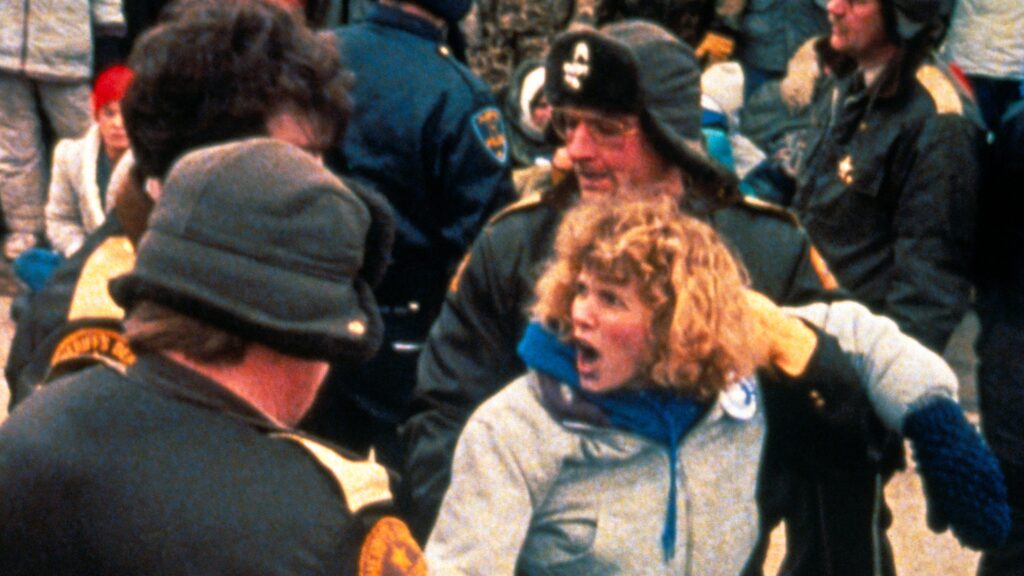
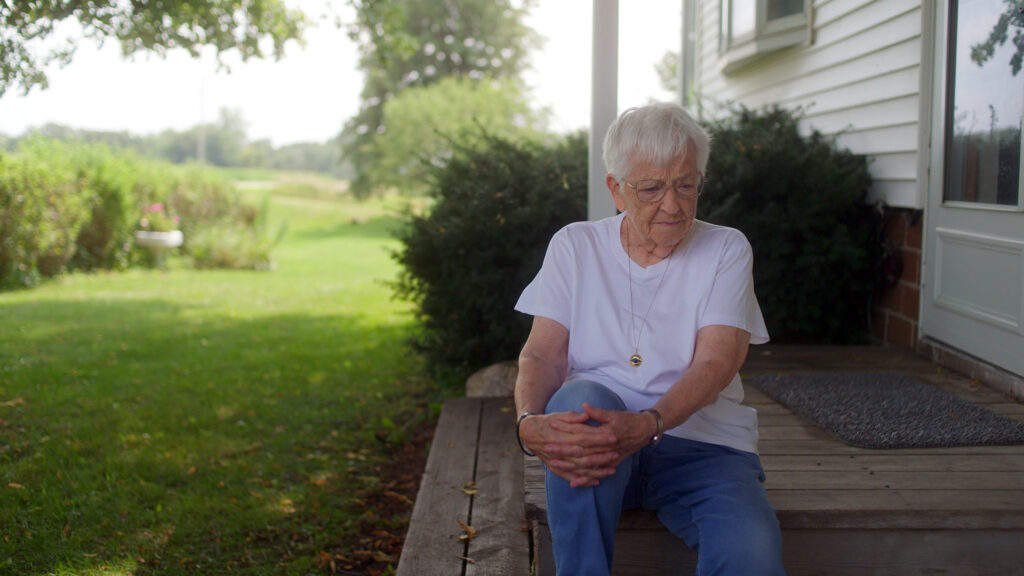
Straddling a fine line between personality portrait and social documentary, Ehrlich’s encompassing retrospective unpacks the life of rural Iowa educator Jane Elliott. Her famous 1968 “blue eyes/brown eyes” classroom experiment became a controversial flashpoint and spawned generations of incisive instruction on America’s racial divides, but it also came at a personal cost—one which Elliott seems all too comfortable bearing as an irascible family matriarch. By jumping back and forth in time, Ehrlich pits the personal against the political in fascinating ways.
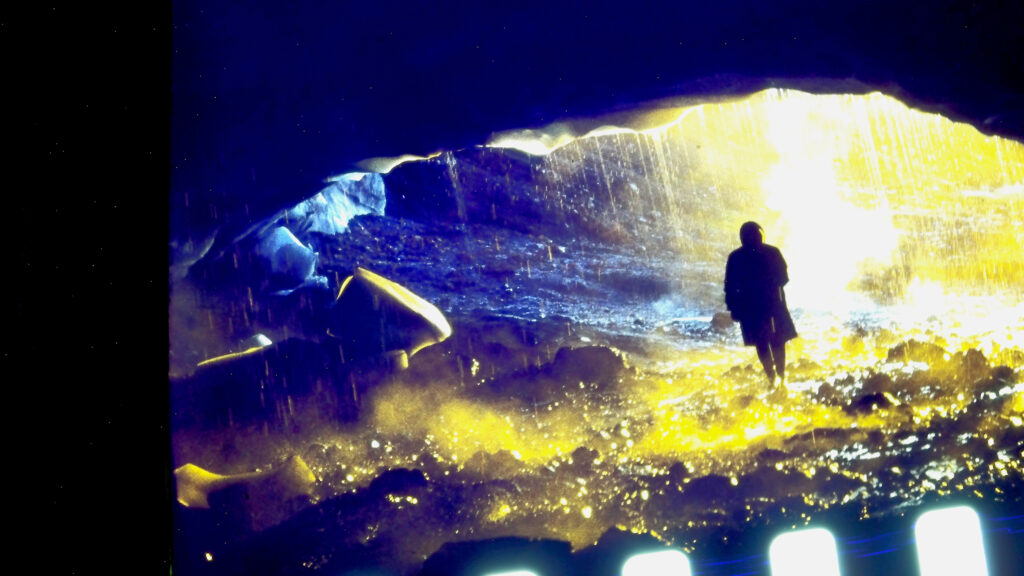
7. “Time and Water,” dir. Sara Dosa
Dosa’s follow-up to 2022’s Oscar-nominated “Fire of Love” is a time capsule of (and resplendent eulogy to) both people and the natural world. Following Icelandic writer Andri Snær Magnason, the film twins a treasure trove of home movies from across several generations with quickly disappearing glaciers, and explores the delicate ways the mediums of celluloid and glacial ice become markers of time and memory. The archival documentary highlights the necessity of the entire form, in deeply moving fashion.