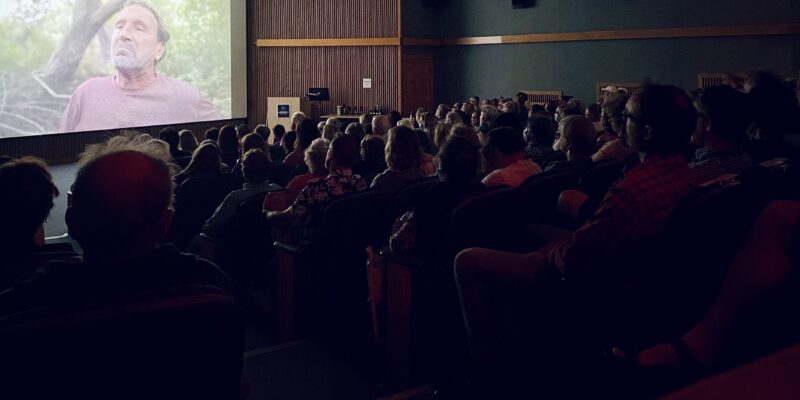
The oldest independent film festival on Cape Cod, the Woods Hole Film Festival has been showcasing emerging filmmakers from New England for nearly 35 years. But organizers also pride themselves on introducing attendees to the work of writers and directors from around the world. While its glamorous location makes it an idyllic spot for a festival, Woods Hole’s filmmaker-driven events are what really set it apart.
A festival with filmmakers at its core
When Judy Laster and Kate Davis launched the Woods Hole Film Festival in 1991, the pair wanted to create an event where cinephiles could gather in Southeastern Massachusetts to watch and celebrate independent movies.
That mission hasn’t changed in the 34 years since. What began as a single day of five screenings has blossomed into an eight-day festival across Woods Hole and Falmouth—what Laster describes “as a filmmaker’s film festival.” That’s because Woods Hole attracts talent from across the globe—with this year’s program featuring films from five different continents—all set against the gorgeous landscape of Cape Cod.
The Cape Cod experience
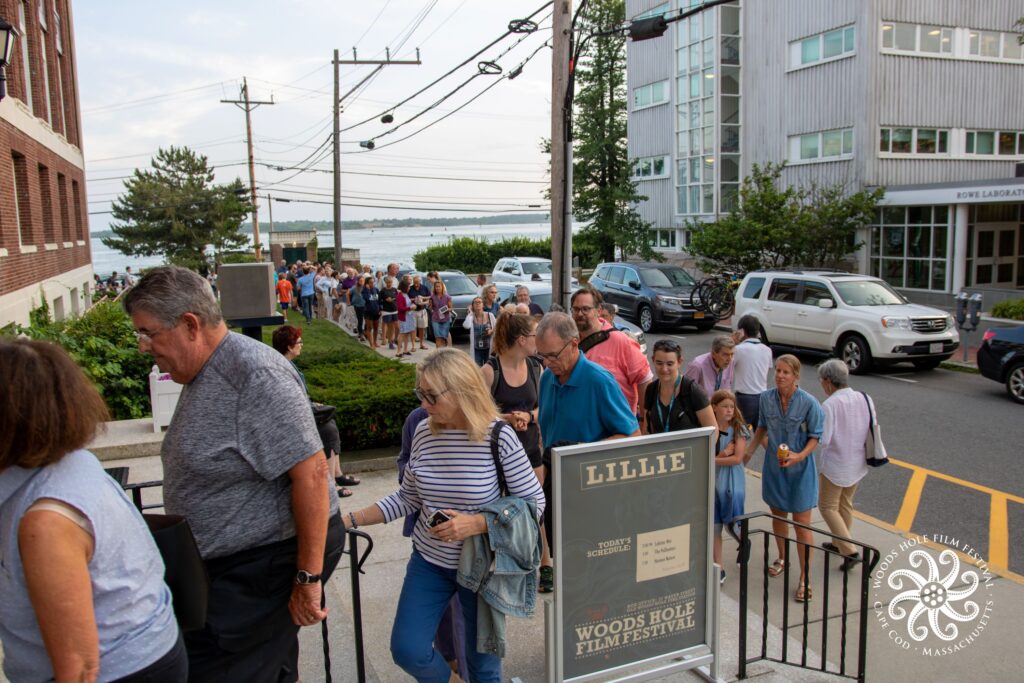
“A lot of people joke that going to Woods Hole feels like going to summer camp,” says narrative feature programmer Sean Volk. “It’s such a special experience because, whether you’re a filmmaker or audience member, Cape Cod is magical. Especially in the summertime.”
Not only does the festival take place right on the water, less than a mile from lush beaches, but Woods Hole and Falmouth are walkable areas full of bars and restaurants, and they’re only a short ferry ride from Martha’s Vineyard.
Though filmmakers are given plenty of time to explore the area, most filmmakers aren’t just there for a holiday. From the roughly 1,000 submissions, the programming team selects 120–150 films, then builds out a week of master classes, workshops, panel discussions, and a variety of other special events—including its filmmaker-in-residence program—all designed to enhance the experience for storytellers.
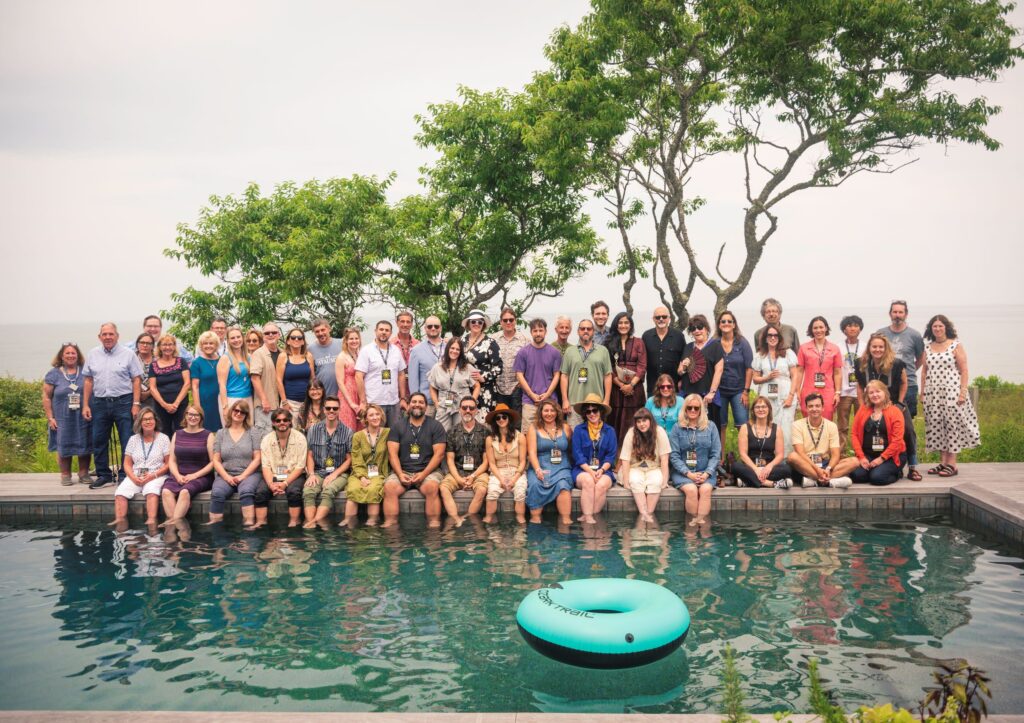
“It’s about creating a community,” says Laster. “We want the audience to speak to filmmakers, and the filmmakers to talk to other filmmakers. It’s about giving filmmakers an opportunity to learn more, giving them a chance to become more successful, and to tell new and different stories that they can get out to audiences.”
More than just screenings
Organizers also work hard to make sure each and every screening is as full as possible so that filmmakers can see how audiences respond to their projects. “Our mission is to support emerging independent filmmakers,” says associate director John Gamache. After screenings, organizers don’t just hold Q&A sessions with filmmakers; they also look to guide filmmakers and attendees to nearby venues—be it a bar, restaurant, or somewhere in the cinema—where they can continue to keep meaningful conversations going and help new connections take root.
The festival has become such fertile ground for these connections that many directors repeatedly return with their latest films. Volk recalls that a couple years ago, two directors met at Woods Hole, bonded, and then collaborated on their own short film, which was screened at the festival the following year. “It’s really cool to see such authentic relationships form,” says Volk. “Woods Hole is the sort of place and community that encourages people to slow down and really connect.”
Curating with purpose
While the programming team actively champions New England, Massachusetts, and Cape Cod creatives, they’re equally committed to showcasing work from international filmmakers. “We want attendees to see a story that they haven’t necessarily seen before, that helps people understand the world and other peoples’ experiences better,” says Volk. To that end, the team looks for films that reflect what they consider to be the best in emerging cinema—personal stories driven by someone who is clearly invested in the subject of their material.
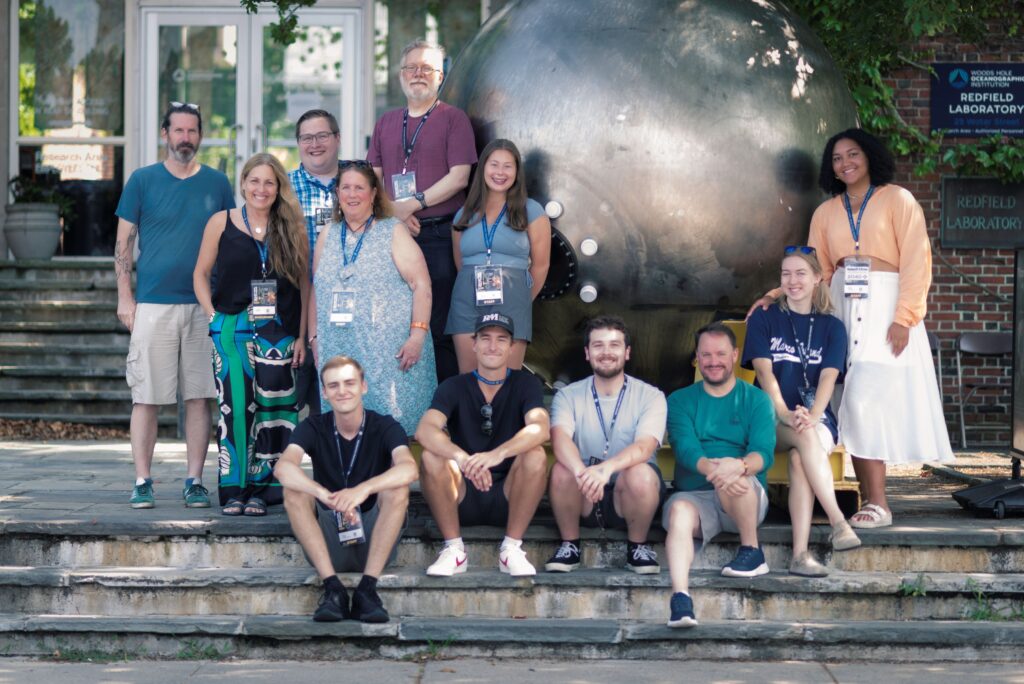
Woods Hole also has deep ties to the scientific community, including numerous world-renowned marine and biology institutions. So programmers are always on the lookout for films with a scientific angle, especially those related to the work being done nearby.
Support that stays with you
Because the festival unfolds in one of the most popular—and expensive—summer destinations in the country, organizers help provide lodging to filmmakers planning to attend. “We have locals here who offer up rooms and cottages for filmmakers who request it,” says Gamache. “As long as I’ve been doing this, we have always found a place for filmmakers to stay.” Over the eight days, locals even host filmmaker brunches and lunches for free.
“Woods Hole is truly like getting a big family together who just love movies and want to support each other,” says Volk. “That’s what we’re really good at. We see the festival as an important opportunity to grow, learn more about the industry, and connect with people from very different places. Because the best things that we learn come from each other.”
Alumni directors who made their mark
Oscar-nominated directors Laura Nix (“Walk Run Cha-Cha”), Marshall Curry (“The Neighbors’ Window”), Heidi Ewing (“Jesus Camp”), Doug Roland (“Feeling Through”), and co-founder Davis (“Traffic Stop”) have all had their projects screened at Woods Hole. Filmmakers in residence have included Lauren Greenfield (“The Queen of Versailles”), Allison Otto (“The Thief Collector”), and Katy Chevigny (“The Easy Kind”).
At this year’s fest, TV and film director Brad Silberling, whose credits include “Casper,” “City of Angels,” “A Series of Unfortunate Events,” and “Moonlight Mile,” is conducting a master class, where he’ll discuss how to be adaptable to different genres and mediums, and how to develop the necessary skills to work on eclectic projects.
Woods Hole Film Festival’s next run takes place July 26–Aug. 2.