Directing any film or television show is already a handful; now imagine having to step in front of the camera at the same time. Here, seven creators discuss their experiences wearing multiple hats, plus offer their advice on how you can do the same on your next project.
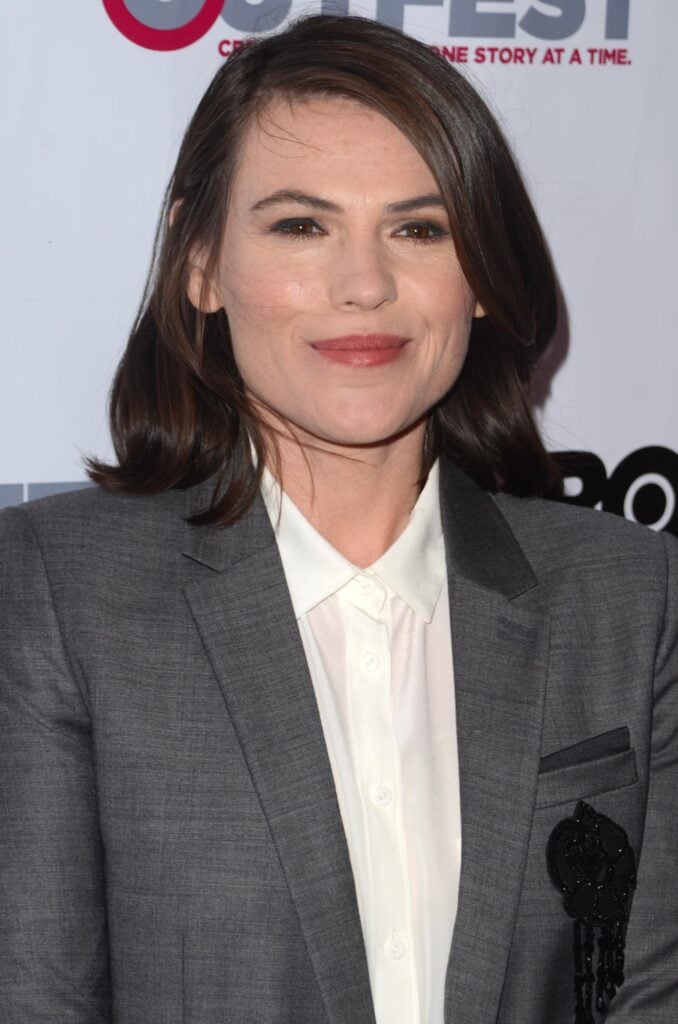
Clea DuVall (“The Intervention,” 2016)
“I felt so rudderless as an actor, and I just didn’t like that feeling—but I loved the scenes that I wasn’t in when I just got to be the director [on “Veep,” (2012–2019)]. Early on in my career, I was lucky enough to work with a director who really made filmmaking feel accessible and inclusive. It got me really excited about filmmaking. Don’t be afraid to ask for what you need…. The director is happy that you’re there. They picked you because they wanted you, and if you need something, they’re there to fulfill that need.
“If you have an idea that you’ve never been able to get out of your head, just put it down on paper. And if it doesn’t turn out exactly how you want it the very first time, fine—do it again. Just keep doing it.”
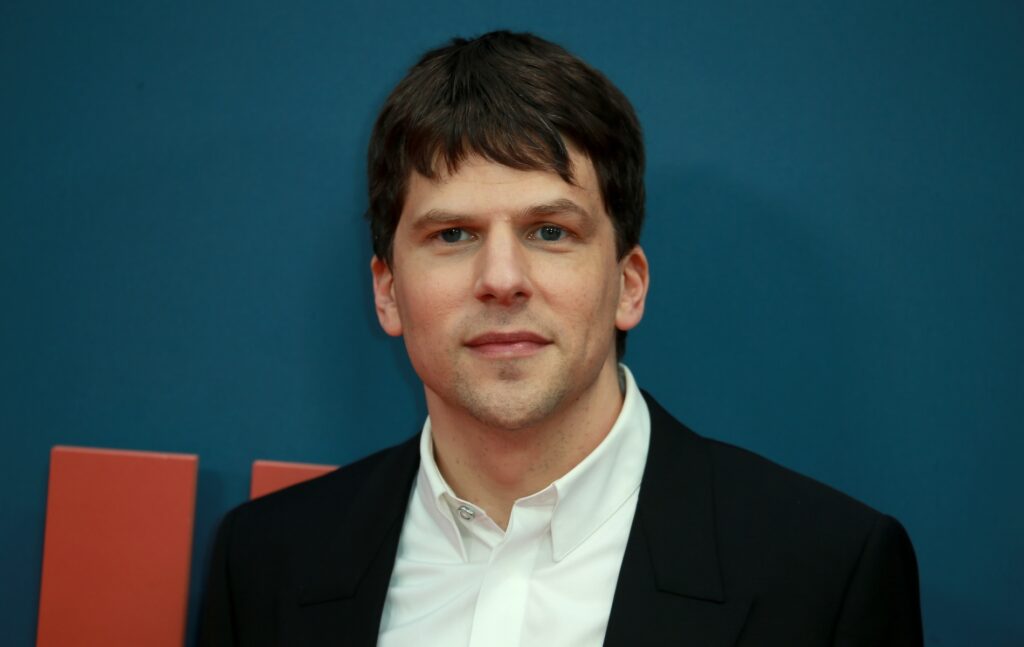
Jesse Eisenberg (“A Real Pain,” 2024)
“My background is in playwriting, and I would always act in the plays that I’d written. Early on, people would say that some of the characters I played were unlikable. And I remember reading some notices about my plays where they attributed that unlikability to me, Jesse, personally. And my thought always was: But wait, I also wrote the likable people! When I’m writing a script, I am every single character—because my background is as an actor, where you’re trained to try to understand your character even if they’re the villain.”
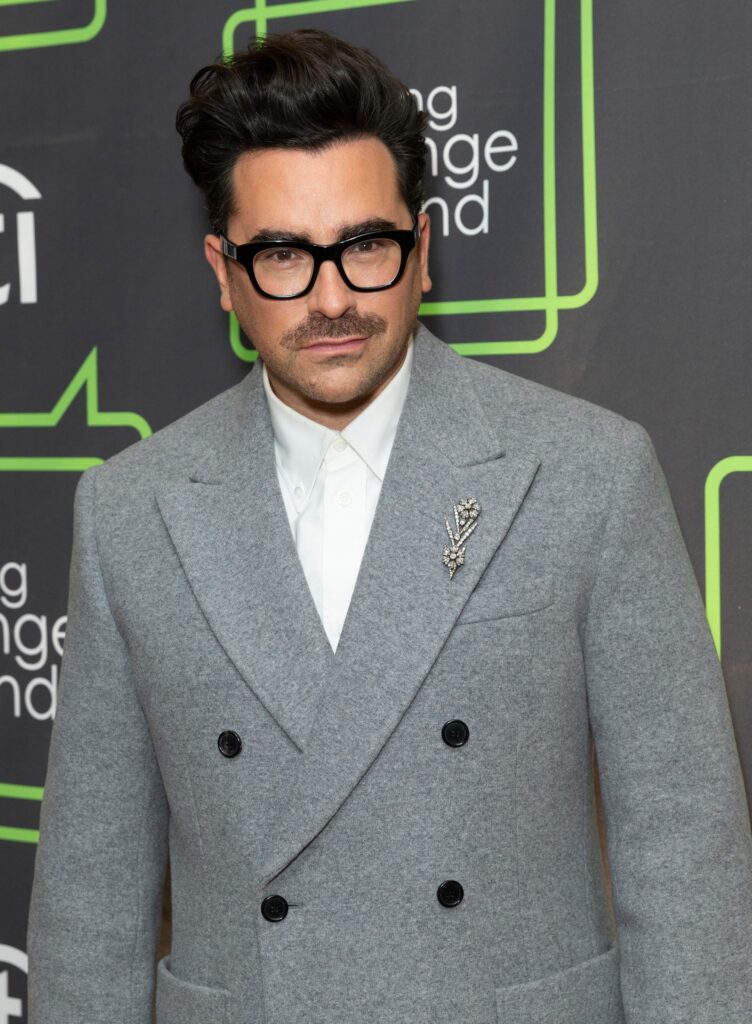
Dan Levy (“Big Mistakes,” 2026)
“On ‘Schitt’s Creek’ [2015–2020], I was probably more aware of [writing for myself] because I’d never done it before. But now, on ‘Big Mistakes,’ when I’m in the room, it is just storytelling.
“Sometimes I’ll add ideas that I feel like I could physically bring to a scene that might improve it, but my actor brain is not really there when we’re breaking the story. If it was, it would influence what I was writing or how I was writing it.
“You have to look at the character for the character’s sake. You have to write to what they need. The minute you let your own POV as an actor creep in, it will change the trajectory of that character’s story. So I try to separate those things as much as possible.”
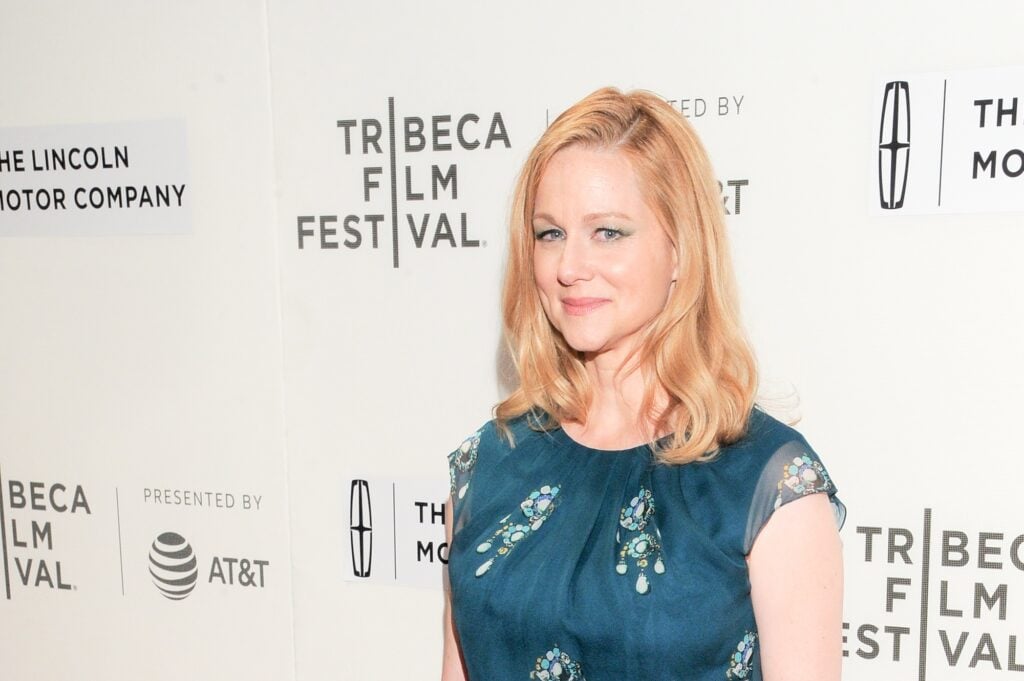
Laura Linney (“Ozark,” 2017–2022)
“Jason [Bateman] kept saying to me, ‘You’ve been on sets for decades; you know everything you need to know.’ It’s only when you step out of your lane, you realize: I actually have much more experience than I thought.
“You have to know what everyone does and let them do what they do. Point them in the right direction, but let them contribute to it. The trick is keeping your focus. You have to know every thread and how loud each thread is and make sure that things don’t compete with each other. Allow yourself to be surprised. It’s that crazy balance—and this goes for acting, as well—of being really prepared but not too knowing. You tell it what to do, and then it tells you what to do.”
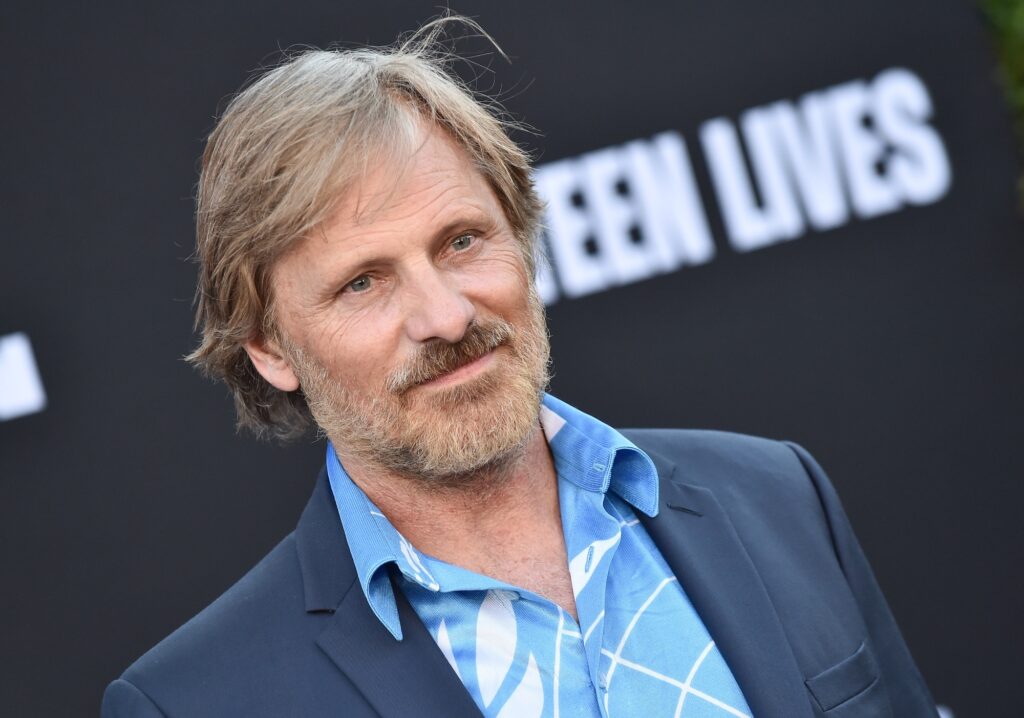
Viggo Mortensen (“Falling,” 2020)
“Don’t get paranoid or feel you’re losing control because an actor wants to try something different. A good idea can come from anyone at any time: your cast, a crew member. The best thing a director can do for an actor is create an atmosphere that’s relaxed and conducive to good work. It’s not just telling them what to do and where to stand, and being annoyed because they didn’t give you the emotional moment you hoped for. Maybe they’re giving you something different that’s just as good.”
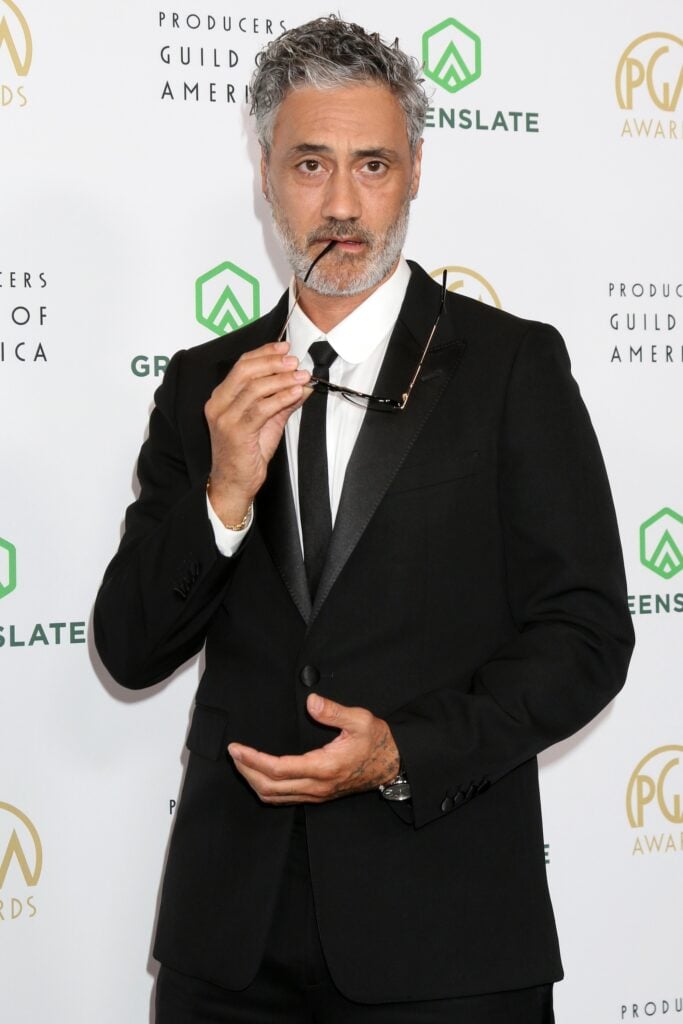
Taika Waititi (“Jojo Rabbit,” 2019)
“Directing yourself [while] acting in a role I’ve always found to be beneficial, because I can be in the scene and experience what’s happening. If I’m on set, I don’t want to discuss their character shit because I need to move fast. Stop thinking about it; just do it fast. When you do that, people tend to forget what they had in their mind and concentrate on something physical and simple, which is just to say the lines and don’t think about them. Then you’re more human in a way, and I often think you get better performances out of that.”
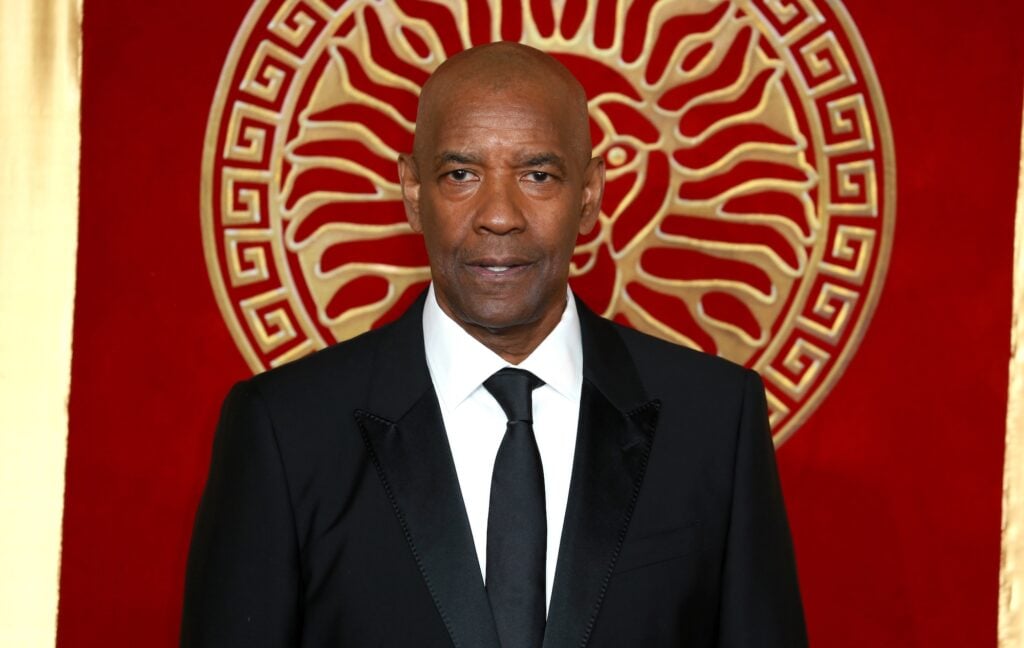
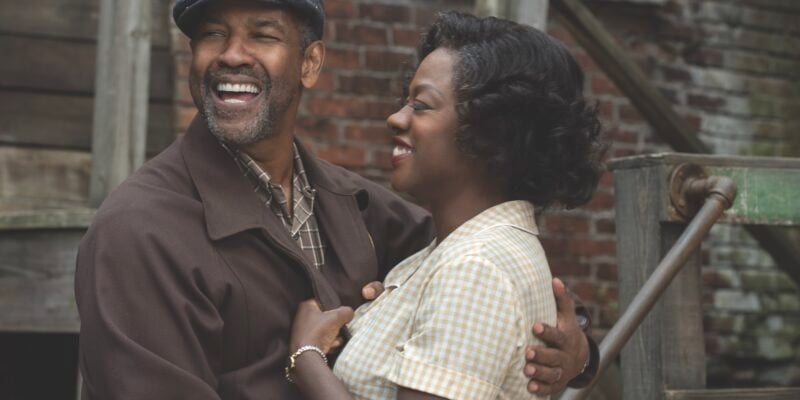
Denzel Washington (“Fences,” 2016)
“I knew my part, but I had to now learn everybody else’s arc and what they’re going through. [The actors] had to be off-book and step in so I could step out with the cinematographer and run the scenes and start talking about where to put the camera.”