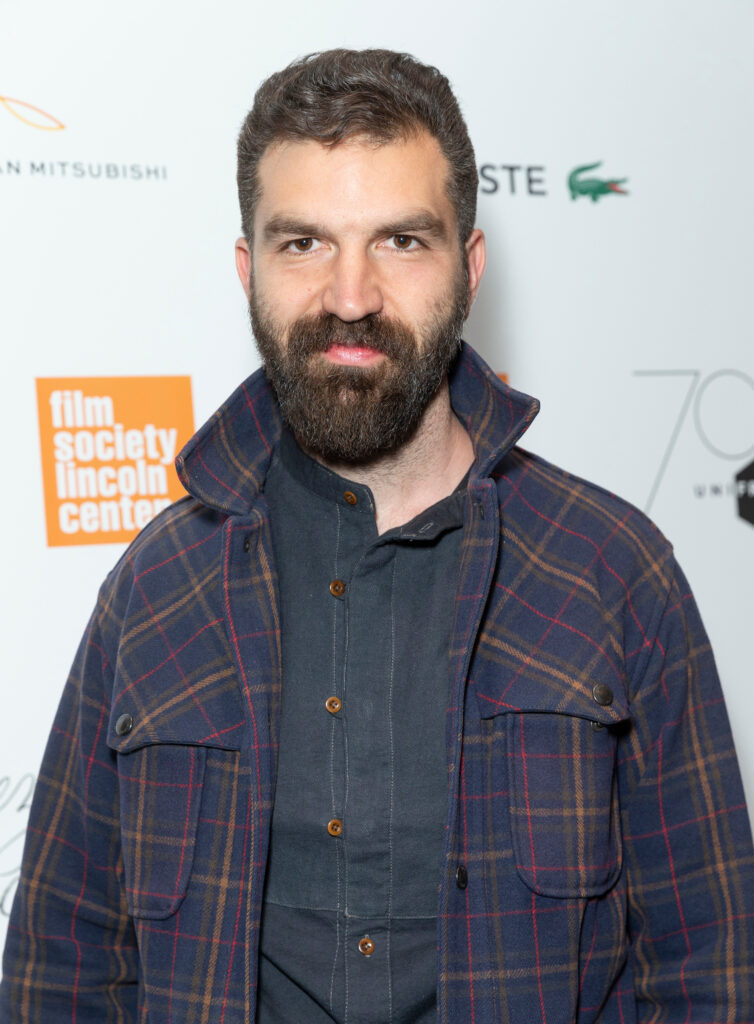
Directing major projects like HBO’s crime series “Task” and the Adam Sandler–led sports drama “Hustle” was actually Jeremiah Zagar’s backup dream.
“I wanted to be a video store clerk. But I was dyslexic and worked in the mail-order section of my video store, and it didn’t go so well,” the Philadelphia native says with a laugh. “So they fired me, and I thought, Well, the only thing left for me to do is to become a director. And so I did. I was not very good in school, and films were a refuge for me, and continue to be.”
Zagar began his career making short films and documentaries, including the 2008 doc “In a Dream” about his father, mosaic artist Isaiah Zagar. Then, in 2018, he earned many new fans with his narrative feature debut, “We the Animals.” Since then, the filmmaker has found success in staying close to home, beginning with “Hustle,” the 2022 movie in which Sandler plays a scout for the Philadelphia 76ers, and now “Task.”
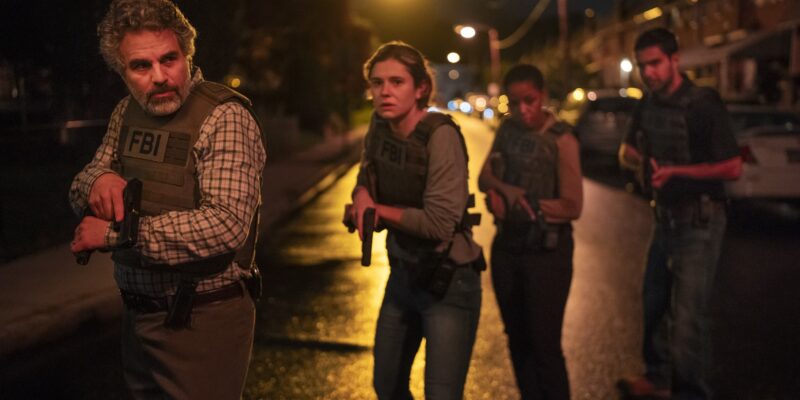
Created by “Mare of Easttown” mastermind Brad Ingelsby, the limited series puts two men on the opposite side of the law on an impending collision course. Mark Ruffalo stars as Tom Brandis, an FBI agent dealing with a recent family tragedy; but he’s called back into the field to lead a task force investigating a string of violent robberies in the suburbs of Philly conducted by family man Robbie Prendergrast (Tom Pelphrey).
Here, Zagar discusses his work as director (he helmed four of the seven episodes) and executive producer on “Task,” as well as his search for meaning.
What drew you to “Task” and what Brad was cooking up?
Brad had one script written when HBO contacted me, and it wasn’t done or what it became. I drove down to Philly to meet him—because you’re working on such an intimate level with a creator and you never know if they’re going to give you the space to do your own thing and take your ideas; I didn’t want to just be a director for hire. So I met Brad, and he was just the best dude.
Coming from film, how much of a relief was it to get paired up with a creator like that?
Because Brad was so collaborative, I was able to direct my episodes as if they were a movie. The only difference was that Brad was on set every day; so I could say, “What do you think of this?” or “Should we try this?”
In the original pilot script, the speech that Lizzie (Alison Oliver) gives outside the screen door didn’t exist. One day before [shooting], I said to Brad, “I need something to fill that space, because Tom (Ruffalo) is going to be in the house watching her.” And so that night he wrote that for Lizzie, and it was meant to be background, but she and the speech were so incredible that it became a set piece.
And we were able to do that throughout. Every week, we would get together and go over notes for the script and ideas, and we’d hang at my dad’s studio and act out the action sequences, like pretending to shoot each other. The coolest thing about a director-writer collaboration in TV is that you have equal power on set, and, if you are of like mind, that power can create a really beautiful kismet.
Being from the area, how did you want to infuse Philadelphia and its culture and people into the show?
Because Brad and I are from Philadelphia, we don’t think about it that much; it just is part of you. Anybody from Philadelphia feels a connection to the city that is debilitating in a way. [Laughs] It follows you everywhere. So when you’re working on any project you do, Philly just happens to creep in. In terms of the locations and accents and authenticity of the characters, they were people that we knew—whether they’re people in Brad’s family or people that live around the corner from me—so it was just organic.
Did you have any particular cinematic inspirations or influences?
We talked a lot about Jonathan Demme. He made a crime film [“The Silence of the Lambs”] with such heart and love for all the characters involved, especially the bad guys. And our ethos was a very Jonathan Demme ethos: There should be no bad guys, no good guys; it should be all grays; and you should feel the pathos and pain of these people.
There were sequences that we would rip off from other directors. There’s a lot of Wong Kar-wai in Episode 2. The musical cuts and the listening to music on the headphones is very much influenced by the early Jacques Audiard movies. For the color palette, we talked about deep greens and leaning into something warm and summery, and I was very moved by an Italian film, “The Eight Mountains” [from Felix van Groeningen and Charlotte Vandermeersch]. You steal as much as you can, but it always changes on the day.
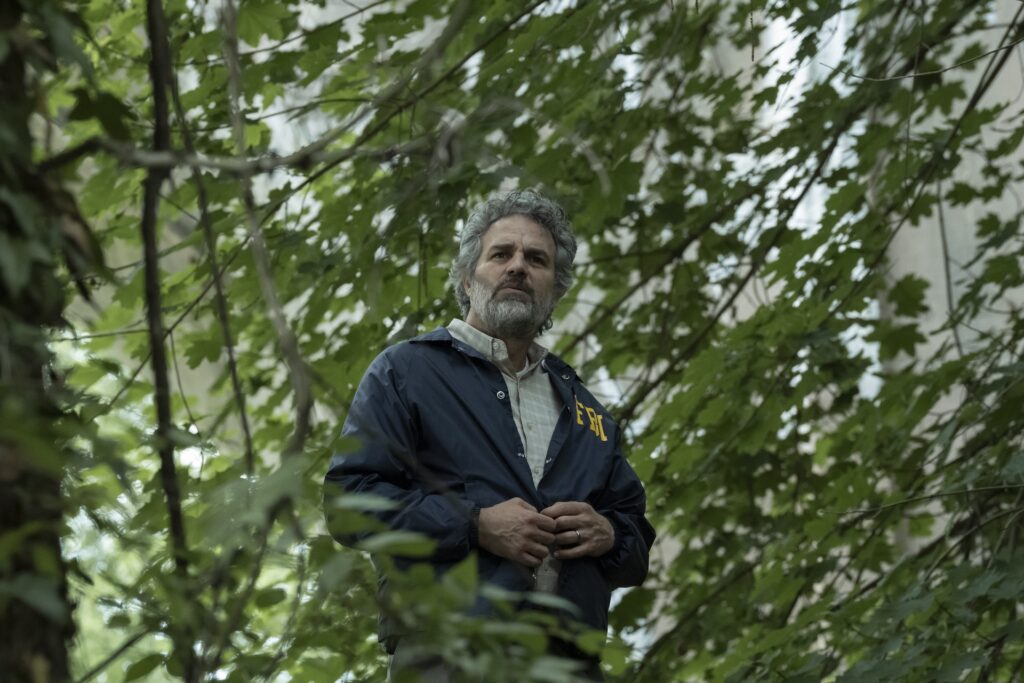
What was it like working with Mark and Tom and putting them on separate tracks headed toward each other?
Mark and Tom are wonderful people and actors, and very different actors in terms of their process. Mark lived in the world of the task force, and then Tom’s team was Emilia Jones, Raúl Castillo, and the kids. I tried to create activities for [the groups] to hang together beforehand, like bowling or improv games, so that there’s a sense of camaraderie. And Tom intentionally separated himself from Mark, which is not something that I demanded.
Tom is such an electric actor; he’s got electricity in his veins, and I think he’s holding it in a lot of times. And so I think part of his process was waiting to meet Mark so that it could explode within the scene. And maybe he was right to do that, because, when they did meet, it worked.
For nearly the first 20 years of your career, you worked on shorts and documentaries, and now you’ve transitioned into narrative features and TV series. Has that been a natural evolution, or is it something that you’ve consciously pivoted toward?
I never even thought of [filmmaking] as a career. I just thought I’d be broke for the rest of my life and fighting to make weird little movies. And then stories and opportunities come along, and you meet somebody like Brad, and you think: Man, this guy’s great, and he wants to tell the kind of stories I want to tell. And you end up devoting a year or two of your life to it, and you’re lucky that it’s a joy because it’s a gamble every time. I’m gambling on him, and he’s gambling on me.
The only thing that dictates the decisions I make is that I want to challenge myself and excite my creative bones and do new things and things that seem to matter. More and more I feel like stories are void of meaning—at least [in] a lot of the scripts I get. It’s very important to me that there’s a deep meaning behind these things. And I don’t mean a political or prescriptive meaning or a lesson. I mean that there are human beings who are grappling with things that we’re grappling with. I want to tell stories that make us feel less alone.
This interview has been edited for clarity and length.